Stream Smarts: Perfecting the Craft of Recording and Preserving Twitch Streams


In the constantly changing landscape of online streaming, Twitch has emerged as a leading platform for video game enthusiasts, content creators, and performers alike. As a viewer, catching your favorite streamers live is exciting, but what happens when you want to reexperience those moments or share highlights with your friends? StreamRecorder feature-rich is where perfecting the art of recording and preserving Twitch content becomes important. With the right tools and strategies, you can capture every incredible play, hilarious mishap, and heartfelt interaction, ensuring that your cherished memories are preserved for years to go forward.
Whether you are a broadcasting creator looking to build your identity, a fan wanting to save your most beloved moments, or a video maker aiming to transform streams for other platforms, understanding how to record, save, and archive Twitch streams, VODs, clips, and highlights is key. In this article, we will explore effective methods and best approaches across various platforms, including Apple computers and PCs, while also discussing automatic processes for bulk downloads. We’ll delve into legal considerations and content creator tools that can streamline your capturing efforts, enabling you to focus on what truly is important - creating and appreciating incredible content. We will explore the realm of Twitch content preservation and ensure that your broadcasting legacy is well secured.
Capturing Twitch Streams
Recording Twitch.tv streams is an important ability for every content creator wanting to save their work or produce highlights for their audience. Whether you’re using a Mac, PC with Windows, or smartphone, having the proper tools and techniques can be critical in capturing great content. It’s important to choose software that allows you to capture your broadcasts without compromising audio and visual quality, so seek out options that support various video quality settings and bitrates to meet your requirements.
To begin, ensure you have a professional capture setup that includes reliable capture software, a good microphone, and premium visual capture equipment. Widely-used desktop capture software, such as Open Broadcaster Software or Streamlabs OBS, provides for extensive customization and can record games, webcam feed, and sound simultaneously. For those using mobile devices, there are specialized applications that can assist you record Twitch.tv streams on the move, ensuring you're not limited by your platform.
After capturing your broadcasts, it’s essential to implement efficient filing and arrangement strategies. Creating a consistent system for storing your Twitch.tv content not only assists you manage your media files but also ensures you have availability to everything you need for future editing or highlight reels. Adopting a structured approach to naming files and using folders can simplify to find and distribute your captures later, enhancing your complete content management system.
Downloading and Preserving VODs
When it comes to keeping material on Twitch, retrieving and preserving videos on demand is crucial for content producers. Video on Demand, or Video on Demand, offer a way to store live broadcasts for audiences who may have overlooked them. To start downloading your own VODs, you can take advantage of the integrated features supplied by the platform. Once accessing your account, navigate to your Creator Control Panel, then to the Media area, where you will locate your VODs. You can easily save your desired VODs by selecting the appropriate options.
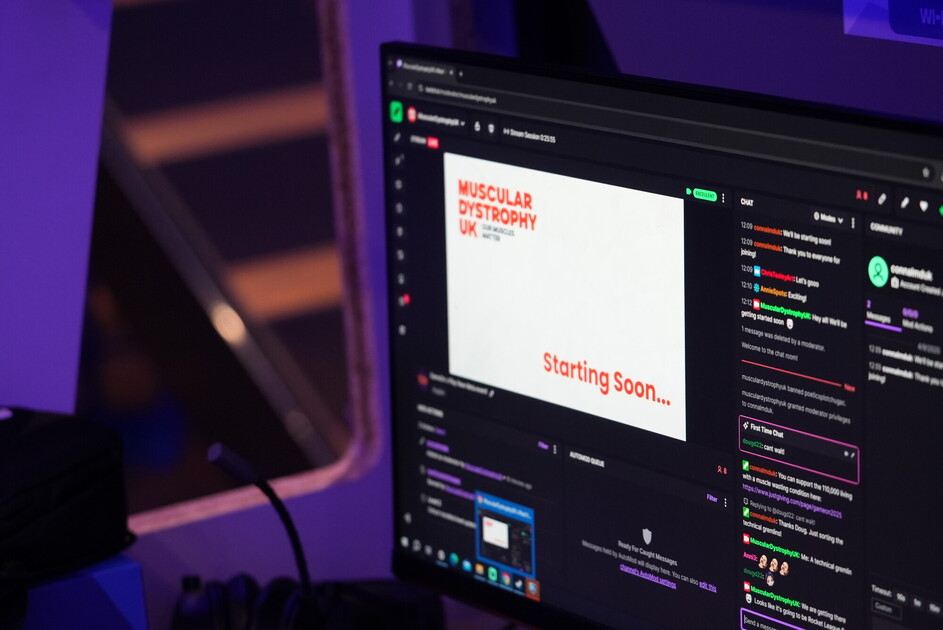
For those looking for automatic retrieval options, third-party applications can simplify the process. Software like Twitch Leecher allows users to retrieve many VODs at a time, accelerating the preserving procedure. Ensure you are cognizant of the organizational strategies to keep your digital library neat and accessible. It’s suggested to categorize your VODs by time, title, or type of event, which makes easier finding for subsequent use.
Although storing VODs is advantageous, it’s also vital to remain aware about legal aspects regarding copyrighted material. Get to know with the platform’s usage policies and fair use to ensure that your uploads comply with the rules of the platform. Regularly checking and overseeing your library will help ensure a tidy collection that can aid in developing media and channel growth.
Keeping Footage and Highlights
To successfully preserve footage and highlights from your Twitch streams, it's essential to utilize the built-in tools that Twitch provides. When you broadcast, you can produce clips directly from your broadcasts, allowing viewers to capture notable moments. This functionality can be found from the video player, enabling you to choose specific segments and archive them as highlights. Make sure you leverage this tool to mark key moments in your streams that can capture the attention of your audience and expand your channel.
Alongside Twitch's native capabilities, there are various methods for downloading clips for local viewing. Numerous third-party applications and \web-based services allow you to type in the address of the Twitch clip you wish to download. Many of these tools offer group download options, enabling you to collect multiple clips at once. This is particularly handy for content creators who want to produce montages or keep specific highlights without the trouble of handling each video one by one.
Finally, as you capture your clips and highlight reels, consider the future organization and storage of these assets. Properly labeling and cataloging your saved content can facilitate easy access for future use, whether for platform promotion or editing into montages. It's also advised to select appropriate video formats that ensure good audio and video quality while ensuring compatibility with different editing software. By setting up a methodical approach to storing your Twitch clips, you can streamline your content creation process and elevate your audience's experience.
Best Techniques for Quality and Storage
To attain excellent Twitch captures, focus on your video quality and bitrate settings. Broadcasting in high definition at a data rate of around 6000 kbps is often a solid benchmark for ensuring clarity without overwhelming your available space. Ensure that your Twitch video recorder is adjusted accurately to maintain audio and video quality, as poor settings can lead to unsatisfactory results that negatively impact your content. Try out different configurations to identify what works best for your internet speed and targeted output quality to ensure the final product is polished.
Effective storage practices is crucial for preserving your archived content. Utilize external hard drives or cloud options to maintain your files neatly arranged and accessible. Establish a structured naming convention for easy retrieval, and organize your recordings by type, such as VODs, highlights, and highlights. This not only assists in organization but also improves your workflow, making it easier to locate and edit content later. Regularly back up your files to prevent data loss and consider employing bulk download options for a more efficient archiving process.
When it comes to permanent storage, select video formats that balance quality and file size. Formats like MP4 and Matroska are widely supported and maintain good quality while compressing the file size considerably. Ensure that your recordings are correctly tagged and contain metadata to make searching and locating specific content easier down the line. Additionally, understand legal considerations such as fair use guidelines to ensure that your archived content can be used for monetization and growth strategies without infringing copyright.
Legal Factors and Revenue Generation
When streaming and storing Twitch streams, it's crucial to be aware of the legal consequences involved. Twitch has particular rules regarding the utilization of their material, and streamers must adhere to intellectual property laws that apply to both their individual broadcasts and the content of other creators. Always you have permission to use any music, clips, or other resources that are not your own. Familiarizing yourself with fair usage standards is important to avoid prospective intellectual property infringement, which could lead to your content being taken down or penalized.
Profiting from recorded Twitch footage can be an efficient tactic for streamers aiming to grow their channels. Using recorded broadcasts, VODs, and highlights allows content creators to produce additional content for their followers, such as tutorials or recaps. However, any profit-making efforts must adhere to Twitch’s policies and copyright regulations. Consider utilizing partnerships, ads, or merchandise sales related to your saved content, ensuring that all aspects of your profit model are clear and ethical.
Finally, remember that clarity and high standard in your output can attract more viewers and followers. By ensuring high audio and video standards and organizing archived content thoughtfully, you develop a beneficial resource for potential fans. Developing a regular content release schedule, while observing regulatory limits, will improve the overall expansion of your channel and strengthen your standing in the Twitch ecosystem.